Toothache That Comes and Goes: Is It a Sign You Need a Root Canal?
A toothache that comes and goes can feel confusing. One day your tooth feels fine. The next day it throbs when you bite or drink something cold. You may wonder if it is serious or if it will just pass.
If your tooth pain comes and goes, it can be an early sign of nerve damage, gum disease, or infection that may require a root canal, especially if the pain keeps returning or lingers after heat or cold. Intermittent tooth pain often points to problems under the surface, such as deep decay, a cracked tooth, or an inflamed pulp.
You should not ignore a toothache just because it fades for a while. Understanding the causes of intermittent tooth pain can help you act early and protect your tooth before the damage gets worse.
Key Takeaways
- Tooth pain that comes and goes can signal deeper damage inside the tooth.
- Ongoing sensitivity or throbbing may mean the nerve is inflamed or infected.
- Early dental care can prevent serious infection and tooth loss.
Learn why a toothache comes and goes and whether root canal treatment may be needed.
Recognizing On-and-Off Tooth Pain
A toothache that comes and goes can feel confusing. The pain may fade for days, then return without warning, which makes it hard to know how serious it is.
How Intermittent Tooth Pain Feels
Intermittent tooth pain does not act like steady, severe pain. You may feel a quick sharp stab when you bite down, followed by hours of relief.
Sometimes you notice throbbing tooth pain that lasts a few minutes and then settles. Other times, you feel mild pressure or soreness that only shows up when you chew.
You might also feel:
- Tooth sensitivity to hot coffee or ice water
- Brief pain with sweets
- Tenderness when you tap the tooth
- A dull ache that stops on its own
This pattern makes many people think the problem is minor. But tooth pain that comes and goes still counts as a real dental symptom. It often points to early decay, a small crack, gum inflammation, or bite stress.
If the nerve were badly infected, you would usually feel constant or worsening pain. On-and-off discomfort often means the irritation has not reached that stage.
Why Tooth Pain Appears and Disappears
Pain can fade because the pressure or trigger is no longer present. For example, if you stop chewing on one side, the sore tooth gets a break.
Inflammation inside the tooth can also rise and fall. When pressure builds, you feel pain. When it settles, the pain eases.
Some common causes of tooth pain create this pattern. A slightly high filling can hurt only when you bite. A small crack can open under pressure and close when you release.
Irritation of the tooth, nerve, or surrounding gums can cause symptoms that fade and return. That does not mean the issue is gone.
Even sinus pressure can affect your upper back teeth and create pain that improves when congestion clears. Changes in your oral health often explain the cycle.
Common Triggers for Flare-Ups
Most flare-ups follow a clear trigger. Paying attention to patterns helps you describe your dental symptoms more clearly.
Common triggers include:
- Temperature sensitivity to hot or cold drinks
- Biting into hard or crunchy foods
- Chewing on one specific side
- Sweet or acidic foods
- Grinding or clenching your teeth
You may also notice that pain gets worse at night if you clench your jaw while sleeping.
If the pain only appears with pressure and disappears at rest, it often points to a crack, bite issue, or early decay. If pain lingers long after heat exposure, that raises more concern for deeper nerve involvement.
Tracking when your tooth pain comes and goes gives your dentist useful clues.
Schedule a dental evaluation in St. Bonifacius, MN to identify the cause of recurring tooth pain.
Most Likely Causes of Intermittent Toothache
Tooth pain that comes and goes often points to damage inside the tooth or stress on the supporting gums and bone. The pain may fade for days, but the cause usually stays active beneath the surface.
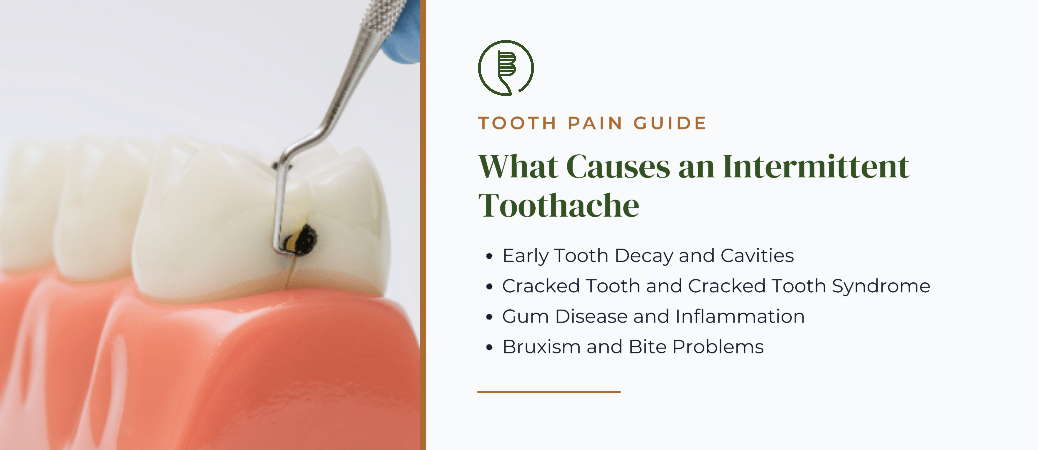
Early Tooth Decay and Cavities
Early tooth decay often causes short, sharp pain instead of constant aching. When cavities break through enamel and reach dentin, you may feel pain with cold drinks, sweets, or brushing.
Dentin has tiny tubules that connect to the nerve. When dentin becomes exposed, you can develop strong tooth sensitivity that seems to appear and disappear.
Common signs include:
- Pain with cold or sugary foods
- A dull ache at night
- Visible pits or dark spots on the tooth
Early decay may not hurt all the time, but it can progress deeper. If bacteria reach the pulp, you may need more than a filling. At that stage, a root canal becomes more likely.
Cracked Tooth and Cracked Tooth Syndrome
A cracked tooth can cause pain only when you bite or release pressure. The crack may be too small to see, but it allows parts of the tooth to shift slightly.
You may notice:
- Sharp pain when chewing
- Pain that stops once you stop biting
- Sensitivity to cold
This pattern often points to cracked tooth syndrome. The nerve becomes irritated each time the crack flexes.
Teeth grinding, biting hard foods, or past dental work can increase your risk. Over time, the crack can widen and let bacteria reach the pulp. That can turn brief pain into constant throbbing and may require a root canal to save the tooth.
Gum Disease and Inflammation
Sometimes the pain does not start in the tooth at all. Gum disease, also called periodontal disease, can cause soreness that feels like a toothache.
In early gingivitis, you may notice:
- Swollen gums
- Bleeding when brushing
- Tender areas along the gumline
If it progresses to periodontitis, the infection moves deeper. You may develop gum pockets, a swollen gum, or even a mild gum infection around one tooth.
Pain may flare up when inflammation increases, then calm down as swelling decreases. This cycle can make the problem seem minor. Professional cleaning and gum therapy can stop the damage before bone loss occurs.
Bruxism and Bite Problems
If you grind or clench your teeth, you place constant pressure on the enamel and nerve. Bruxism often happens at night, so you may wake up with tooth pain that fades during the day.
You might also notice:
- Jaw soreness
- Headaches in the morning
- Flattened or worn teeth
Ongoing teeth grinding can expose dentin and increase sensitivity. It can also create small cracks that lead to intermittent pain.
Bite problems add uneven pressure to certain teeth. Over time, this stress irritates the nerve and supporting tissues.
A dentist may recommend a custom night guard or nightguard to reduce pressure and protect your teeth. Addressing the stress early can prevent deeper nerve damage that could later require a root canal.
When Tooth Pain Signals Nerve Issues or Root Canal Needs
Tooth pain that comes and goes can point to deeper damage inside the tooth. When the dental pulp becomes infected or dies, you often need quick care to stop the problem from spreading.
Warning Signs of Pulp Infection or Nerve Damage
You may feel sharp pain when you drink hot coffee or cold water. If the pain lingers after the heat or cold is gone, your inflamed pulp may be involved.
Persistent throbbing pain is another red flag. Persistent tooth pain is a common root canal symptom. This pain may spread to your jaw or nearby teeth.
Watch for these signs:
- Pain when you bite or chew
- Swollen or tender gums
- A small gum bump that drains pus
- Tooth that feels loose
- Fever or facial swelling (possible dental emergency)
Dentists use tools like a percussion test, where they tap your tooth to check for nerve damage. They also take dental X-rays to look for bone loss near the root tip.
If bacteria reach the dental pulp, a pulp infection can lead to pulp death. At that stage, you likely need a root canal treatment to remove the infected tissue.
How Root Canal Therapy Addresses the Problem
A root canal procedure removes infected or dead pulp from inside your tooth. The goal is simple: clean the space, seal it, and stop bacteria from returning.
During root canal therapy, your dentist or an endodontist numbs the area. They open the tooth, remove the damaged pulp, and disinfect the canals. Then they fill and seal the roots.
This treatment falls under endodontics, which focuses on the inside of the tooth. Afterward, you often need a crown to protect the weaker structure.
You may worry about pain. Most patients report that treatment feels similar to getting a deep filling.
Prompt care lowers your risk of abscess, bone loss, or tooth extraction.
Difference Between Persistent and Intermittent Pain
Not all tooth pain feels the same. The pattern of pain gives helpful clues.
Persistent pain often means the pulp is severely inflamed or infected. It may wake you at night or stay constant throughout the day.
Intermittent pain comes and goes. You might feel fine for days, then notice sudden throbbing.
- Sharp, brief sensitivity: Early inflammation
- Lingering heat pain: Possible nerve damage
- Throbbing that returns: Advancing pulp infection
- Pain with pressure: Root tip irritation
Even if the pain fades, the damage may continue inside your tooth. Do not ignore repeated episodes.
Tooth Discoloration and Other Red Flags
A tooth that turns gray or dark yellow may signal pulp death. When blood flow stops inside the tooth, the structure can change color.
You may notice discoloration more easily in front teeth. Trauma, deep decay, or untreated infection often causes it.
Other red flags include:
- Swelling near one tooth
- Bad taste in your mouth
- A pimple-like bump on the gum
- Increased tooth mobility
These signs suggest infection has moved beyond the pulp and into the surrounding bone. At that stage, you may need urgent care from a general dentist or an endodontist such as Dr. Jesse Toftely, who focuses on complex root canal cases.
How Dentists Diagnose and Treat Fluctuating Tooth Pain
Your dentist does not guess when pain comes and goes. They use a clear exam, simple tests, and imaging to find the exact cause and choose the right treatment.
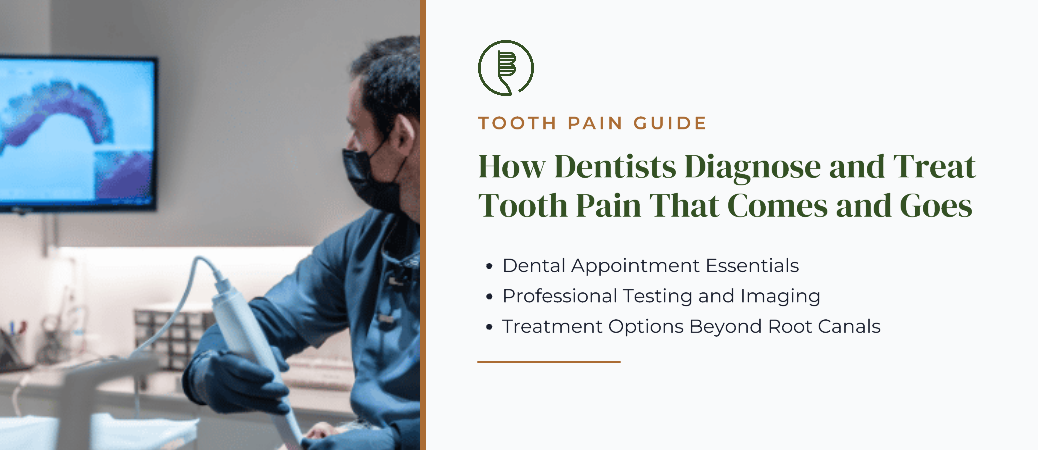
Dental Appointment Essentials
At your dental appointment, your general dentist starts with questions. You explain when the pain happens, how long it lasts, and what triggers it, such as cold drinks or chewing.
They ask if the pain wakes you at night or lingers after heat or cold. Lingering pain can point to nerve damage. Short, sharp pain often links to sensitivity or early decay.
Next, your dentist checks your mouth. They look for:
- Cavities
- Cracks in the enamel
- Swollen or bleeding gums
- Loose fillings or crowns
They may tap on the tooth using a percussion test. If tapping causes sharp pain, the ligament around the root may be inflamed. They also check your bite to see if one tooth takes too much pressure.
Professional Testing and Imaging
If the exam does not give a clear answer, your dentist uses imaging. Dental X-rays show decay between teeth, infection at the root tip, and bone loss.
An X-ray can reveal signs of an abscess or deep decay that you cannot see. The American Association of Endodontists explains how specialists find the cause of hard-to-diagnose pain and treat problems like cracked or abscessed teeth through careful evaluation and imaging in their guide to dental symptoms and tooth pain.
Your dentist may also test how the tooth reacts to cold. A healthy nerve feels brief discomfort. A damaged nerve causes strong pain that lasts several seconds or more.
These steps help your dentist decide if the pulp inside the tooth is irritated, infected, or healthy.
Treatment Options Beyond Root Canals
Not all fluctuating pain leads to a root canal procedure. Your treatment depends on the cause.
If you have early decay, your dentist removes the cavity and places a filling. If you grind your teeth at night, they may suggest a custom night guard to protect enamel and reduce pressure on the nerve.
If your bite places too much force on one tooth, a simple bite adjustment can relieve stress. Your dentist gently reshapes small areas of enamel so your teeth meet evenly.
When infection reaches the pulp and does not heal, a root canal procedure removes the infected tissue and seals the tooth.
Clear testing leads to focused treatment, which helps stop pain and protect your tooth.
Practical Prevention and At-Home Relief Tips
You can lower your risk of serious tooth problems with steady oral care and smart habits. Simple daily steps and quick action when pain changes can help you avoid bigger treatments like a root canal.
Improving Daily Oral Hygiene
Strong oral hygiene protects the inner part of your tooth from decay and infection. When plaque sits on your teeth, bacteria create acids that can reach the pulp and cause deep pain.
Brush twice a day with a soft toothbrush and fluoride toothpaste. Fluoride helps strengthen enamel and slows decay. Angle your brush toward the gumline and clean for a full two minutes.
Floss daily. Flossing removes plaque between teeth where a brush cannot reach. Skipping this step allows decay to form in tight spaces, which can lead to pain that comes and goes.
If your mouth feels sore, rinse with warm salt water. A simple saltwater rinse can reduce swelling and wash away debris. Mix 1/2 teaspoon of salt in 8 ounces of warm water and swish for 30 seconds.
Limit sugary drinks and snacks. Sugar feeds bacteria and raises your risk of cavities. Schedule regular exams and cleanings to support long-term dental hygiene and catch small problems early.
Managing Bruxism and Grinding
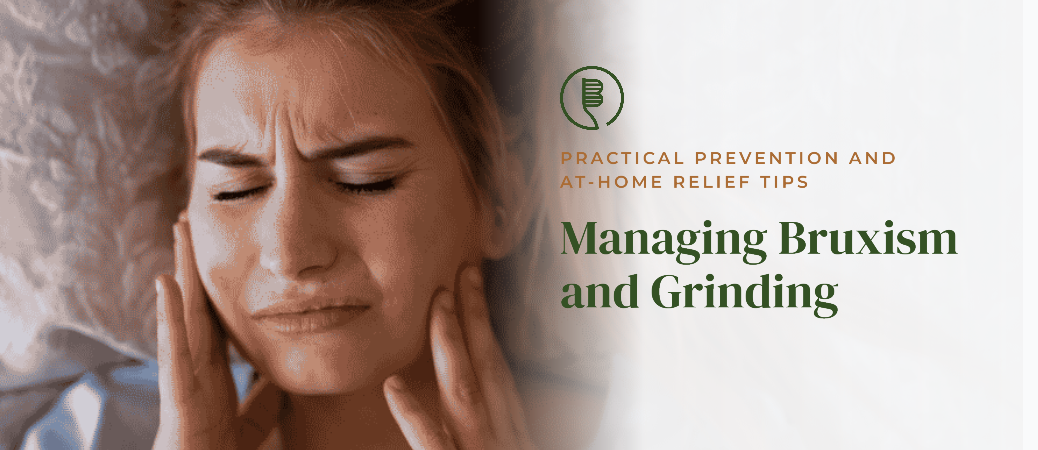
Teeth grinding, also called bruxism, can cause tooth pain that feels dull and on-and-off. You may wake up with jaw soreness, headaches, or sensitive teeth.
Grinding wears down enamel and can expose the inner tooth layer. This makes your teeth more sensitive to hot, cold, and pressure.
Ask your dentist about a night guard if you clench or grind during sleep. A custom guard cushions your teeth and reduces pressure. It also helps prevent cracks that may lead to infection.
Try to reduce daytime clenching. Keep your lips closed and your teeth slightly apart when you are not chewing. If stress triggers grinding, practice simple habits like slow breathing or stretching before bed.
Managing grinding protects your enamel and plays a key role in preventing tooth pain linked to nerve irritation.
Gum Health Strategies
Healthy gums protect the roots of your teeth. If your gums pull back or become infected, bacteria can move closer to the tooth pulp.
Brush gently along the gumline. Use small circles instead of hard scrubbing. Brushing too hard can damage gums and expose sensitive root surfaces.
Floss daily to remove plaque under the gumline. If your gums bleed often, do not stop flossing. Bleeding can be a sign of inflammation that improves with steady care.
An antibacterial mouthwash can lower bacteria levels. For mild soreness, use a warm saltwater rinse to calm swelling.
If you notice red, swollen, or bleeding gums, do not ignore them. Early gum treatment can protect your overall oral health and reduce the risk of deeper infection.
When to Seek Immediate Care
Some toothaches need fast attention. Pain that lasts more than a day or two, even if it fades and returns, should not be ignored.
Watch for these warning signs:
- Severe, throbbing pain
- Swelling in your face or jaw
- Fever
- Bad taste in your mouth
- Pain when you bite down
These symptoms can point to infection inside the tooth. Ongoing pain often signals an underlying dental problem that needs treatment.
Call your dentist right away if you have swelling or trouble swallowing. Quick care can stop infection from spreading and may save your tooth.
Frequently Asked Questions
Tooth pain that comes and goes can point to a small cavity, a deeper infection, or a failing past treatment. The type of pain, how long it lasts, and what triggers it give strong clues about what your tooth needs.
How can I tell whether I need a root canal or just a filling?
A filling usually works when decay only affects the outer layers of your tooth. You may feel quick pain with sweets or cold drinks, but it stops fast once the trigger is gone.
You may need a root canal if the pain lingers for more than 30 seconds after heat or cold. Throbbing pain, swelling, or pain when you bite down can also mean the nerve inside your tooth is inflamed or infected.
A dentist confirms this with exams, X‑rays, and simple tests that check how your tooth nerve responds.
What are the early warning signs that a root canal might be needed?
Early signs often start as sensitivity to hot or cold that lasts longer than it should. You might also feel sharp pain when chewing on one side.
Other warning signs include a small bump on the gum, darkening of the tooth, or tenderness when you press on it. Pain that wakes you up at night is another red flag.
These signs often mean the inner pulp tissue is irritated or starting to break down.
Can tooth pain come and go and still mean something serious is going on?
Yes, it can.
Many people ignore pain that fades, but intermittent tooth pain often signals underlying problems like decay or cracks. The damage can still grow even if the pain stops for days or weeks.
A cracked tooth may only hurt when you bite a certain way. Early decay may only sting with cold drinks. Both can reach the nerve if you delay care.
Does a tooth that needs a root canal usually hurt all the time, or only sometimes?
It can hurt either way.
Some infected teeth cause constant, deep pain. Others only flare up with pressure, heat, or certain foods.
Pain that comes and goes does not mean the tooth is healing. It often means the nerve is reacting to triggers while the infection continues inside.
What does tooth pain typically feel like when the nerve is irritated or infected?
When the nerve is irritated, you may feel sharp, sudden pain with hot, cold, or sweet foods. The pain may fade quickly at first.
When the nerve becomes infected, the pain often turns into a steady throb. You might feel pressure, swelling, or pain that spreads to your jaw or ear.
Some people also notice a bad taste if infection drains into the mouth.
Why might a tooth start hurting again years after a previous root canal?
A tooth can hurt again if new bacteria enter through a cracked crown or a new cavity. Even a small leak can let germs reach the root tip.
In some cases, a hidden canal was not fully cleaned during the first treatment. Over time, that space can become infected.
If you feel pain in a tooth that already had a root canal, your dentist may suggest new imaging and possibly retreatment to remove the infection.
Learn More