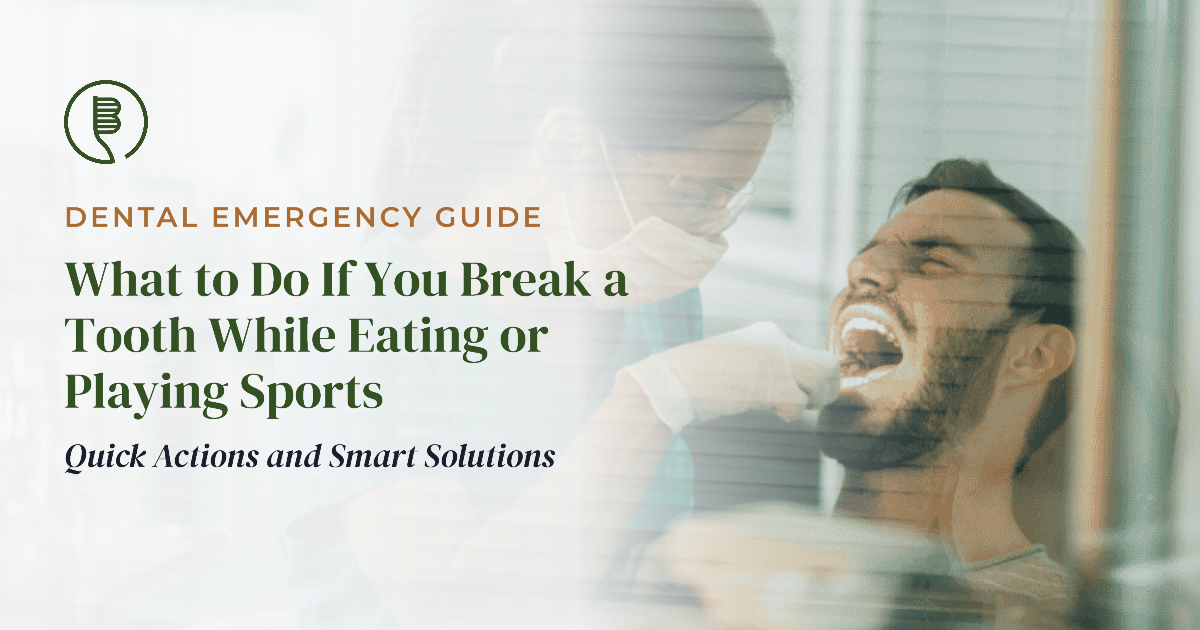
What to Do If You Crack a Tooth While Eating or Playing Sports: Quick Actions and Smart Solutions
A cracked tooth can happen in an instant. You might be biting into something hard, playing sports, or just going about your day when you feel or hear that awful crack. The panic sets in right away, and you start wondering what comes next. It is really a dental emergency!
If you crack a tooth, rinse your mouth with warm water, save any broken pieces, apply a cold compress to reduce swelling, and contact your dentist as soon as possible. Acting quickly can make a big difference in saving your tooth and avoiding more serious problems down the road. The good news is that most dental injuries from sports and everyday accidents can be treated successfully when you know what to do.
Whether you chipped a small piece or broke off a larger section, understanding how to handle your tooth injury will help you stay calm and protect your oral health. This guide walks you through everything from spotting the signs of a tooth fracture to getting the right treatment.
Key Takeaways
- Clean your mouth and save any broken tooth pieces, then see a dentist within 24 hours
- Cracked teeth can cause sharp pain when biting and sensitivity to temperature changes
- Wearing a mouthguard during sports and avoiding hard foods helps prevent tooth injuries
Get fast care from a cracked tooth emergency dentist before the damage gets worse.
Recognizing Symptoms and Types of Tooth Injuries
Knowing how to spot the signs of a cracked or broken tooth helps you get the right treatment quickly. Different types of tooth damage need different care approaches.
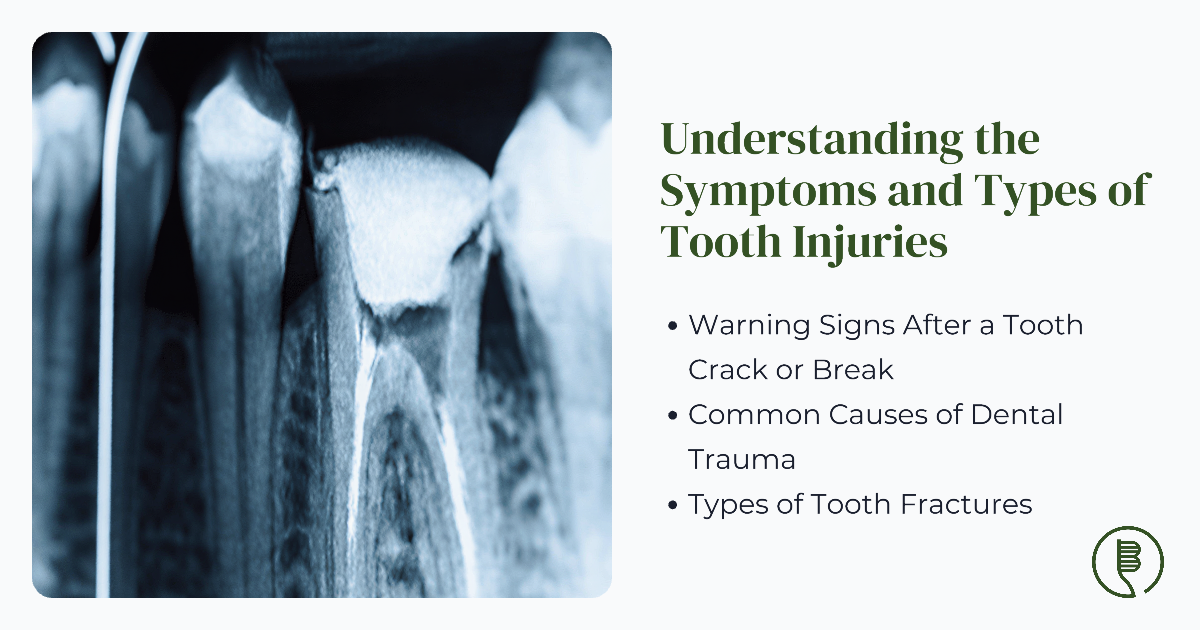
Warning Signs After a Tooth Crack or Break
Pain when chewing is often the first sign that something is wrong with your tooth. You might feel a sharp ache when you bite down or release pressure. This happens because the crack allows the inner parts of your tooth to flex and irritate the nerve.
Your tooth may become sensitive to hot or cold foods and drinks. This sensitivity can come and go, which makes it tricky to figure out what's wrong. Some people with cracked tooth syndrome experience pain that's hard to pinpoint to one specific tooth.
Swelling around the affected tooth or gums signals that dental trauma needs attention. You might notice your gums bleeding or looking red near the injury. A visible chip or crack line on your tooth is an obvious sign of damage that needs care right away.
Changes in tooth color, especially darkening, can mean the nerve inside is damaged or dying. You may also feel rough or sharp edges with your tongue where the tooth broke.
Common Causes of Dental Trauma
Sports activities account for many tooth injuries each year. Basketball, football, and soccer players face higher risks of getting hit in the mouth. Even non-contact sports can lead to falls that damage your teeth.
Biting down on hard foods causes many cracked teeth. Ice cubes, popcorn kernels, hard candy, and peppermint sticks can all crack your teeth when you bite them. Chewing on non-food items like pens or fingernails puts stress on your teeth too.
Teeth grinding and clenching, especially at night, weakens your teeth over time. This habit creates tiny cracks that grow bigger with continued pressure. Old fillings can also make teeth more likely to crack because they don't support the tooth structure as well.
Falls and accidents are common causes of dental injuries in sports and daily life. A slip on wet surfaces or a car accident can result in broken or knocked-out teeth.
Types of Tooth Fractures
Craze lines are tiny cracks in the outer enamel that don't cause pain. These shallow cracks are common in adults and usually don't need treatment. They only affect the tooth's appearance.
Fractured cusp happens when a piece of the tooth's chewing surface breaks off. This type of tooth fracture often occurs around fillings and typically doesn't hurt much. Your dentist can usually fix it with a crown or bridges.
Cracked tooth means a crack extends from the chewing surface toward the root. This type of tooth crack can cause pain when chewing and sensitivity to temperature. If the crack reaches below the gum line, you may need a root canal or extraction.
Split tooth results from an untreated cracked tooth that splits into separate segments. The tooth usually can't be saved as a whole, but your dentist might be able to save part of it.
Vertical root fracture starts at the root and moves up toward the chewing surface. These cracks often show minimal symptoms at first but can lead to infection. A chipped tooth involves a small piece breaking off, usually from the front teeth, which can often be repaired with bonding.
More serious injuries include tooth avulsion (a completely knocked-out tooth), tooth luxation (a tooth pushed out of position), and tooth intrusion (a tooth pushed into the jawbone).
Immediate Steps to Take After Cracking a Tooth
Acting quickly after cracking a tooth can help reduce pain, prevent infection, and improve your chances of saving the tooth. The first 30 minutes matter most for protecting the damaged area and managing discomfort.
Cleaning and Inspecting the Area
Rinse with warm water right away to clean your mouth and remove any debris. Use lukewarm water because very hot or cold temperatures can cause sharp pain in the exposed tooth layers.
Look at the damaged tooth in a mirror with good lighting. Check if you can see a crack line or if pieces have broken off. Note whether the tooth has a sharp edge that cuts your tongue or cheek.
Gently feel around the area with your tongue to assess the damage. If you notice bleeding, bite gently on fresh gauze to stop it. Avoid touching the tooth with your fingers because this can introduce bacteria into the crack.
Managing Pain and Bleeding
Take an over-the-counter pain reliever like ibuprofen or acetaminophen to manage discomfort. Advil or Tylenol work well for dental pain and can help reduce swelling.
Don't take aspirin if you're planning to see a dentist soon because it can cause bleeding that might complicate treatment. If you have a broken tooth with a sharp edge, you can use dental wax to cover it temporarily and protect your mouth.
Keep your head elevated when resting or sleeping. This position helps reduce blood flow to the area and can ease the throbbing pain that often comes with a toothache.
What to Do With Tooth Fragments
Collect any pieces of the broken tooth you can find and store them in a clean container. While your dentist can't reattach them, the fragments help identify whether what broke off was tooth enamel or an old filling.
Keep the pieces moist by placing them in milk, saliva, or water until your dental appointment. Bring them with you when you visit the dentist so they can evaluate the full extent of the damage. This information helps your dentist plan the right treatment approach.
Foods and Activities to Avoid
Stay away from very hot or cold foods and drinks because extreme temperatures increase discomfort in cracked teeth. The exposed inner layers of your tooth are sensitive to temperature changes.
Avoid sugary foods and drinks that can irritate the damaged area. Skip acidic items like citrus fruits, tomatoes, and vinegar that can aggravate the tooth nerve.
Don't chew hard foods like nuts, hard candy, or ice. Stick to soft foods that don't require much chewing until you get professional treatment. Avoid using the cracked tooth to bite or chew anything.
When and How to Seek Professional Dental Care
A cracked tooth requires prompt attention from a dentist to prevent further damage and infection. Knowing when to seek emergency care and where to find help can save your tooth and reduce pain.
When to See a Dentist or Endodontist
You should contact your dentist right away if you experience pain while chewing or feel sensitivity to hot or cold foods. These are signs that you may have a crack that needs treatment.
Most dentists keep time open in their daily schedules for dental emergency patients. Call your dental office and describe your symptoms in detail. This helps them understand how quickly you need to be seen.
An endodontist specializes in treating damaged tooth pulp and root canals. Your regular dentist may refer you to one if the crack extends deep into your tooth. Small cracks might only need a filling, while deeper fractures often require a dental crown or root canal treatment.
Don't wait to see if the pain goes away on its own. Untreated cracks can lead to infections and tooth loss.
Finding Emergency Dental Help
When a dental emergency happens after regular office hours, you need to know where to turn. Call your dentist first, as many have emergency phone numbers that connect you to on-call staff.
If you can't reach your dentist, look for an emergency dentist in your area. These practices stay open during evenings and weekends specifically for urgent dental care situations.
Here's what to do while finding help:
- Keep the tooth area clean by rinsing with warm water
- Apply a cold compress to reduce swelling
- Take over-the-counter pain medication if needed
- Avoid chewing on the affected side
Some dental schools offer emergency services at reduced costs. You can also visit an emergency room for severe pain or swelling, though they typically can't provide treatments like dental bonding or dental implants.
Urgent Dental Care for Knocked-Out or Displaced Teeth
A knocked-out tooth is one of the most serious dental emergencies. You have the best chance of saving the tooth if you act within the first 30 minutes.
For a knocked-out permanent tooth:
- Pick it up by the crown, not the root
- Rinse it gently if dirty (don't scrub)
- Try placing it back in the socket
- If that's not possible, keep it in milk or between your cheek and gums
- Get to a dentist immediately
Tooth avulsion requires immediate professional care. Your dentist may be able to reattach the tooth, though some cases need dental implants later.
For teeth that are loosened but not fully knocked out, avoid touching or moving them. Put cold compresses on your face to control swelling and see a dentist as soon as possible. Quick action gives you the best outcome for saving your natural tooth.
Treatment Options for Cracked and Broken Teeth
The treatment your dentist recommends depends on how deep the crack goes and where it's located. Minor cracks may only need simple fixes, while deeper fractures often require more involved procedures to save the tooth.
Dental Repair Procedures
Composite bonding works well for small chips and surface cracks. Your dentist applies a tooth-colored resin to the damaged area and shapes it to match your natural tooth. This quick procedure usually takes just one visit.
A dental crown covers the entire visible part of your tooth when the crack is more serious. The crown acts like a protective cap that holds the cracked pieces together and restores the tooth's shape and strength. You'll typically need two visits for this treatment.
For vertical cracks that reach below the gum line, your dentist might recommend bonding or a crown depending on the severity. Surface line cracks that only affect the outer enamel often need minimal treatment or just monitoring.
Managing Infection and Further Damage
A root canal becomes necessary when a crack extends into the tooth's pulp where the nerve and blood vessels are located. An endodontist removes the damaged pulp, cleans the inside of the tooth, and seals it to prevent infection.
Signs you might need a root canal:
- Sharp pain when biting down
- Sensitivity to hot or cold that lingers
- Swelling in the gum near the tooth
- Pain that comes and goes
Acting quickly prevents infection and keeps the damage from getting worse. Delaying treatment allows bacteria to enter the crack and reach the inner tooth structure.
Long-Term Solutions and Tooth Replacement
Some cracks are too severe to save the tooth. When a fractured tooth splits vertically through the root or breaks below the bone level, extraction is often the only option.
Dental implants replace extracted teeth with artificial roots and crowns that look and function like natural teeth. The process takes several months but provides a permanent solution. A bridge or partial denture can also fill the gap if implants aren't right for you.
Most treated cracked teeth continue working normally for many years when you get care promptly. Your dentist will help you choose the best option based on the type and location of your crack.
Prevention Tips for Sports and Everyday Life
Protecting your teeth from cracks requires the right equipment and smart daily habits. Regular visits to your dentist help catch problems early before they turn into painful emergencies.
Choosing the Right Mouthguard
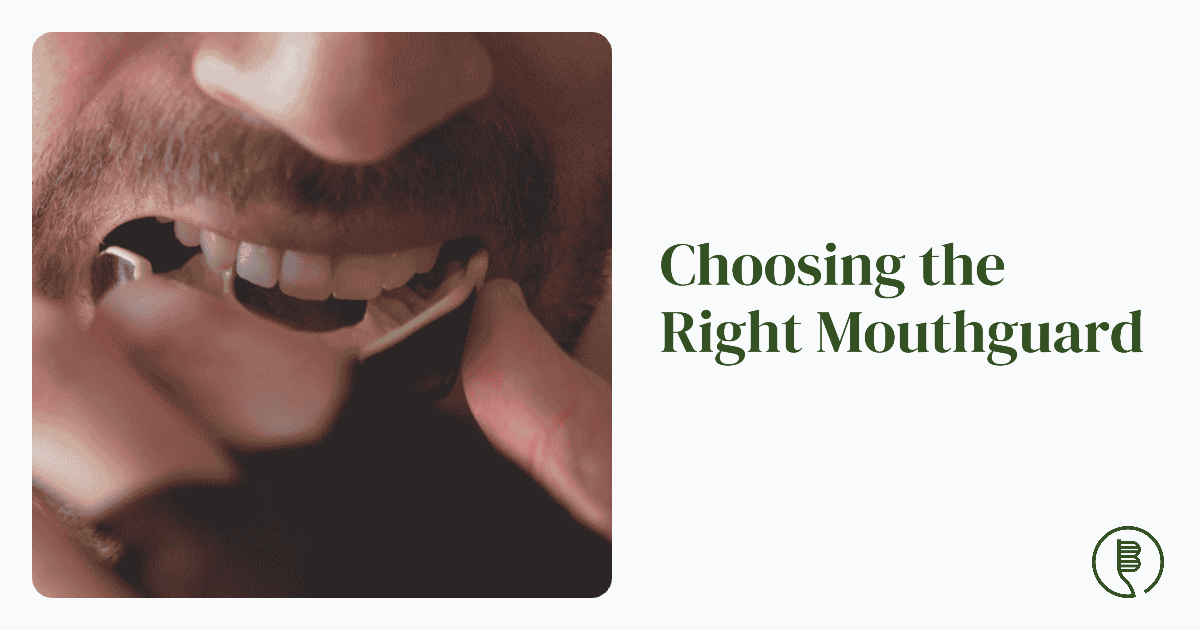
A mouthguard is your best defense against sports-related dental trauma. Three main types are available, each with different levels of protection and comfort.
Stock mouthguards come pre-formed and ready to wear. They're the cheapest option but offer the least protection because they don't fit your teeth exactly. You have to keep your jaw closed to hold them in place, which makes breathing and talking difficult.
Boil-and-bite mouthguards offer a middle ground between cost and protection. You soften them in hot water, then bite down to create a basic fit. While better than stock options, they still don't provide the secure fit needed for high-contact sports.
Custom-fitted mouthguards from your dentist provide the best protection to prevent dental injuries. Your dentist makes an exact mold of your teeth to create a guard that fits perfectly. These stay in place without effort, let you breathe easily, and absorb impact better than other types.
If you grind your teeth at night, you need a night guard instead. This protects against damage from clenching while you sleep.
Avoiding Common Risks at Home and On the Field
Small changes in your daily routine can prevent most tooth cracks. Never use your teeth to open packages, crack nuts, or tear tags off clothing.
Hard foods pose a major risk. Cut corn off the cob instead of biting directly. Avoid chewing ice, hard candy, and popcorn kernels. When eating foods with pits or bones, take extra care.
Athletes face unique challenges during sports and exercise. Contact sports like football, hockey, and basketball require mouthguards at all times. Even non-contact activities can cause falls that damage teeth.
Stay hydrated with water during physical activity. Dry mouth increases your risk of damage and tooth decay. Skip acidic sports drinks that weaken enamel over time.
Importance of Regular Dental Checkups
Dental checkups catch small cracks before they become big problems. Your dentist spots weaknesses you can't see or feel yet.
Most people need checkups every six months. Your dentist examines your teeth for tiny fractures, worn enamel, and signs of grinding. X-rays reveal cracks below the gum line that visual exams miss.
These visits also let your dentist check if your mouthguard still fits properly. As your mouth changes, your guard may need replacement to keep working effectively.
Professional cleanings remove buildup that weakens teeth. Your dentist can also apply sealants or fluoride treatments to strengthen vulnerable areas. Early treatment of small issues costs far less than fixing a badly cracked tooth later.
Frequently Asked Questions
Cracked teeth raise many questions about symptoms, treatment timing, and what you can safely do while waiting for dental care. Understanding the differences between sensitivity and actual cracks, along with knowing which foods to avoid, helps you protect your tooth until you see a dentist.
How can I tell if my tooth is cracked or just sensitive?
A cracked tooth usually causes sharp pain when you bite down or release pressure while chewing. You might feel pain that comes and goes rather than constant discomfort.
Sensitivity typically causes a dull ache when you eat hot, cold, or sweet foods. The pain from sensitivity stays steady and doesn't change much when you bite.
A chip usually affects only the surface enamel and often doesn't cause pain, while a true crack goes deeper into the tooth structure. If you heard a cracking sound while eating or felt a sudden sharp pain, you likely have a crack rather than just sensitivity.
What should I do right away after I crack a tooth?
Rinse your mouth with warm water to clean the area around the cracked tooth. This removes any food pieces and helps you see the damage better.
If you can find any broken tooth pieces, save them in milk or saliva. Keep them moist because your dentist might be able to use them during treatment.
Quick action in 30 minutes can help save your tooth. Call your dentist right away to schedule an emergency appointment, even if the pain seems minor at first.
Apply a cold compress to your cheek if you notice swelling. You can also take over-the-counter pain medicine to manage discomfort until your dental visit.
When is a cracked tooth considered a dental emergency?
A cracked tooth is a dental emergency and requires immediate care because cracks can worsen quickly without treatment. You should seek emergency dental care if you have severe pain that won't stop with pain medicine.
Heavy bleeding from your mouth means you need immediate attention. Blood that doesn't slow down after 10 minutes of applying pressure requires emergency care.
A tooth that moves or feels loose in your mouth needs urgent treatment. If you see exposed pink or red tissue inside the crack, the inner pulp is damaged and needs protection right away.
Swelling in your gums or face signals a possible infection. Fever combined with tooth pain also indicates an infection that needs immediate treatment.
Can I keep eating or drinking after a tooth cracks, and what should I avoid?
You can eat soft foods that don't require much chewing after you crack a tooth. Stick to items like yogurt, mashed potatoes, smoothies, and soup until you see your dentist.
Avoid chewing ice, popcorn kernels and hard candy, all of which can crack a tooth or make existing cracks worse. Stay away from sticky foods like caramel or taffy that can pull on the damaged tooth.
Don't chew on the side of your mouth where the cracked tooth is located. This protects the tooth from more damage and reduces your pain.
Skip very hot or very cold foods and drinks because they can cause sharp pain in cracked teeth. Room temperature or lukewarm items work best while you wait for treatment.
How do dentists diagnose a cracked tooth, and what tests might they use?
Your dentist will start by asking about your symptoms and when you first noticed the crack. They'll want to know if you heard a cracking sound or what you were eating when it happened.
A visual exam comes next, where your dentist looks at your tooth under bright light. They might use a special dye that makes cracks easier to see or a magnifying tool to spot small fractures.
Your dentist may ask you to bite down on a special tool to find out which tooth hurts. This bite test shows where the crack is located and how deep it goes.
X-rays help dentists see cracks that go below the gum line. Some cracks don't show up on regular x-rays, so your dentist might need to use other tests to find them.
What treatment options are available for a cracked tooth, and how long does recovery take?
Treatment depends on the severity: superficial enamel cracks may only need bonding, while deep pulp involvement often necessitates root canal therapy. Small cracks in just the outer enamel can be fixed with dental bonding or a filling in one visit.
Larger cracks might need a crown to cover and protect the whole tooth. Your dentist takes impressions at the first visit and places the permanent crown at a second appointment about two weeks later.
Cracks that reach the tooth pulp require a root canal before placing a crown. Root canal treatment usually takes one or two appointments, and the tooth needs time to heal before you get the final crown.
Recovery time varies based on your treatment type. Bonding and fillings let you return to normal eating within a day or two, while crowns and root canals might need a week or more for full recovery.
Some cracks go too deep to save the tooth, and extraction becomes necessary. After an extraction, you'll need a few days to heal before discussing replacement options like implants or bridges with your dentist.
Learn More